For a long time, we have been made to believe that fat is the cause of various diseases such as: cardiovascular conditions, elevated triglycerides and cholesterol in the blood, arteriosclerosis, which is a condition where the arteries become thick and rigid, eventually restricting blood flow to organs such as the brain, kidneys, and other tissues, as well as the cause of obesity, ranging from grade 1 to morbid obesity. Obesity is characterized by an excessive accumulation of body fat.
Fats are divided into different groups, which are: saturated fats, unsaturated fats, trans fats, and total fats.
Las grasas saturadas son las grasas sólidas a temperatura ambiente que se le conoce como "grasas sólidas" como aceite de coco, el aceite de palma y la mantequilla de cacao también se encuentra tanto en alimentos de origen animal, como la leche, el helado, la crema el queso, los embutidos, la mantequilla y la carne. Además, en los alimentos hechos con mantequilla, margarina o manteca como pasteles, galletas dulces y postres. Se recomienda consumir menos del 10% de las calorías totales de una dieta de 2000Kcal en promedio.
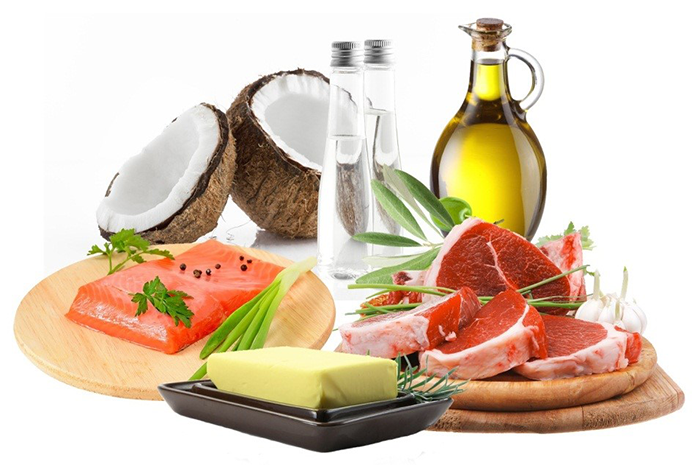
Unsaturated fats are liquid at room temperature but begin to harden when cooled. They are primarily found in vegetable oils such as olive oil, nuts, pumpkin seeds, sunflower seeds, flaxseeds, and sesame seeds, as well as in fish like trout, sardines, and salmon. This type of fat is divided into monounsaturated fats and polyunsaturated fats.
Monounsaturated fats, known as oleic acid, are found in nuts, avocados, and vegetable oils. Polyunsaturated fats are mainly found in vegetable oils such as safflower oil, sunflower oil, sesame oil, soybean oil, and corn oil. This group of fats includes omega-3, omega-6, and omega-9 fatty acids.
Omega-3 fatty acids are an anti-inflammatory fat. Within this group, there are alpha-linolenic acid, eicosapentaenoic acid (EPA), and docosahexaenoic acid (DHA), which are found in salmon, mackerel, white tuna, trout, and sardines. It is recommended to consume 1 to 2% of the total calories from a 2000 kcal diet on average.
Omega-6 fatty acids are mainly found in vegetable oils such as sunflower oil, corn oil, or soybean oil, as well as in nuts and olives. Within this group, there is linoleic acid. It is recommended to consume 5 to 8% of the total calories from a 2000 kcal diet on average.
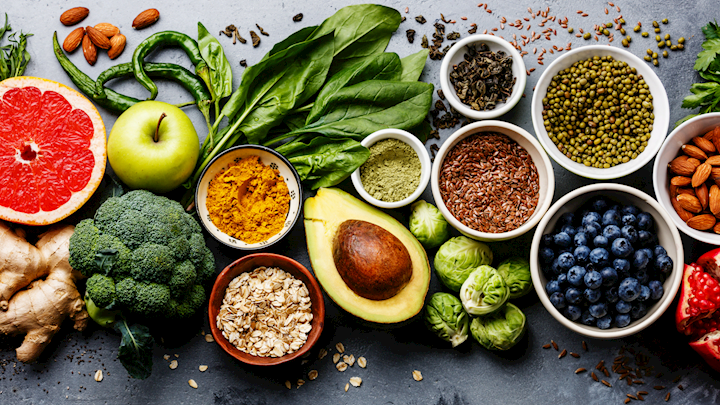
The WHO (World Health Organization) recommends a daily intake of high-quality fats between 15-30% of the daily caloric intake in a 2000 kcal diet on average.
It is worth mentioning that total fats include saturated fats, polyunsaturated fats, monounsaturated fats, and trans fats, which are primarily found in ultraprocessed foods that are harmful to health.
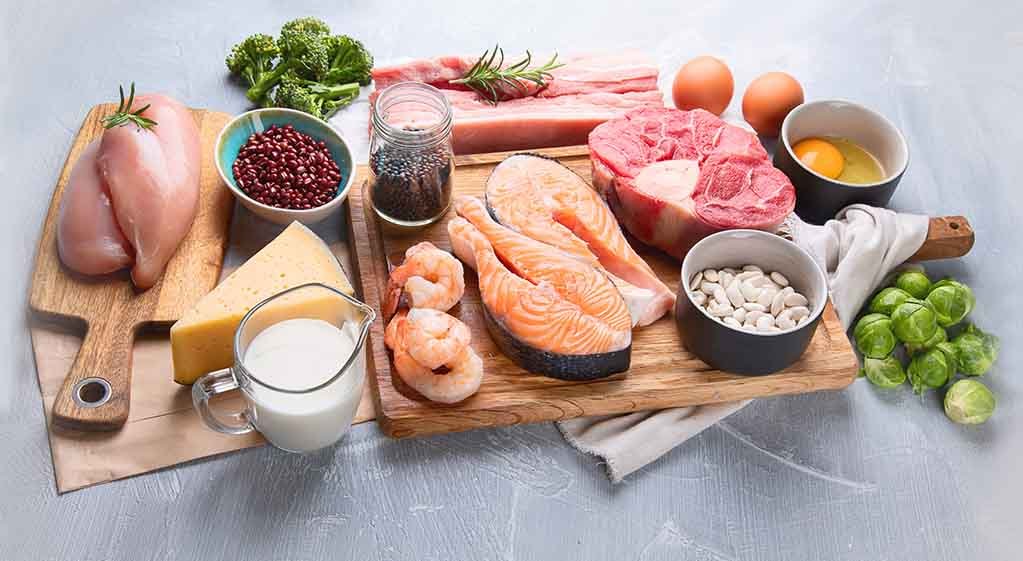
In conclusion, high-quality animal fats such as beef, chicken, blue fish, pork, wild boar, well-cooked eggs, clarified butter known as ghee, and vegetable fats such as avocado, coconut oil, and olive oil (for cooking or as a dressing for salads) are all necessary for the human body. They help absorb fat-soluble vitamins such as A, D, E, and K, which are essential for various functions within the body. Fats are also a great energy reserve, form part of nerve system cells, are necessary and indispensable for hormone production, and help regulate body temperature by serving as insulation, as well as supporting many organs, especially the brain. Therefore, it is completely a myth that the human body does NOT need fat—it does need it in considerable amounts, from high-quality animal and plant sources.
L.N. Lorena De la Rosa López.
BIBLIOGRAFÍA:
- https://www.obymed.es/tipos-de-obesidad/
- https://www.cigna.com/individuals-families/health-wellness/hw-en-espanol/temas-de-salud/tipos-de-grasas-aa160619
- https://medlineplus.gov/spanish/ency/patientinstructions/000785.htm
- https://sumedico.lasillarota.com/nutricion/alimentos-que-mas-aportan-omega-3-y-6/308305
- https://www.vitonica.com/grasas/siete-beneficios-del-consumo-de-grasas-son-necesarias-para-tu-organismo
- https://www.plancuidatemas.aesan.msssi.gob.es/conocelagrasa/tipos-de-grasas.htm