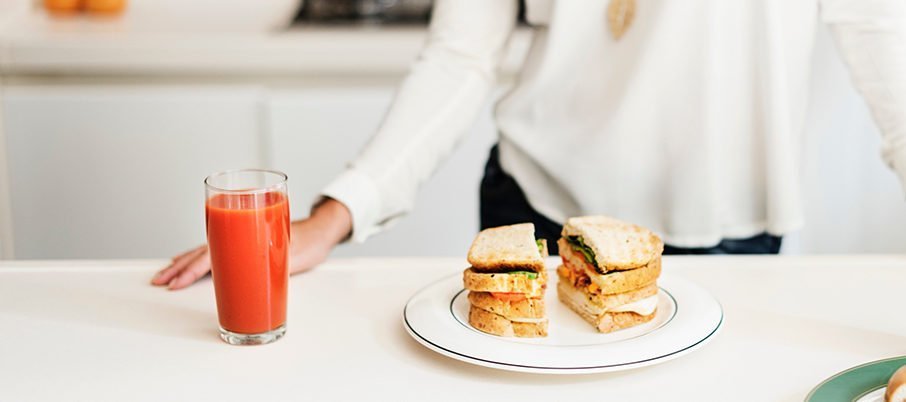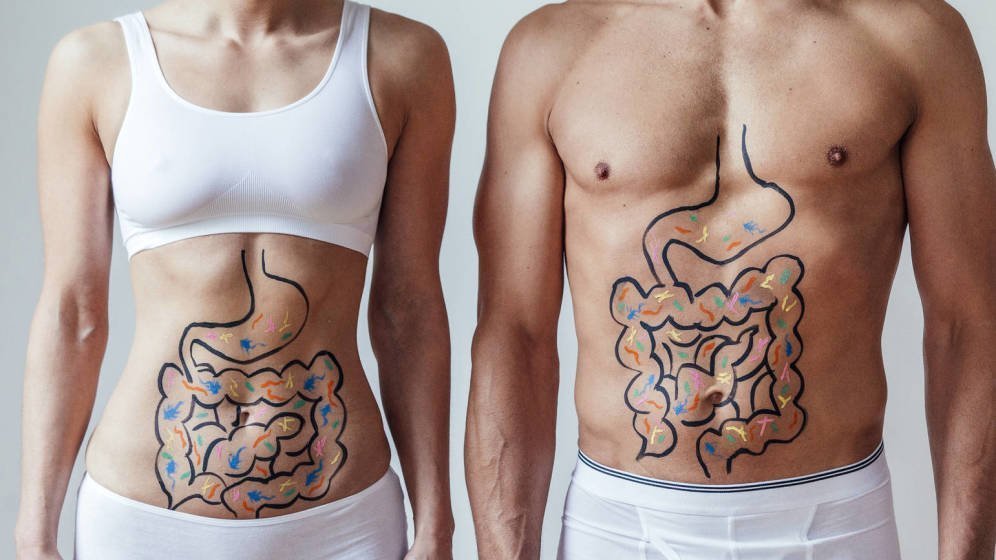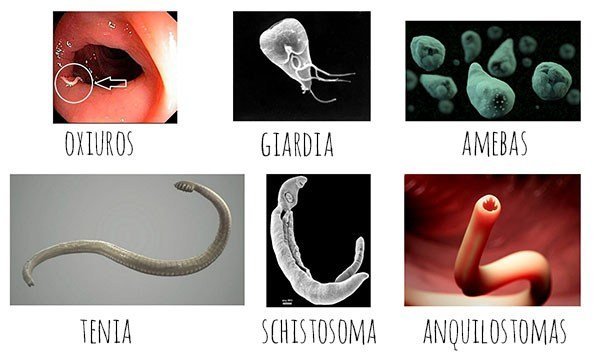
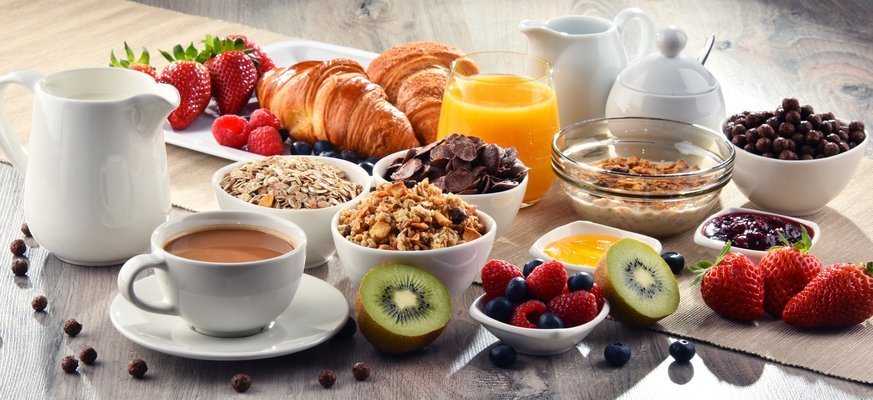
The idea of what constitutes a healthy diet has changed over the years, and what drives these trends are current fashions and primarily the food product market. Despite this, there are foods that are considered healthy but in reality, they are not. These foods are harmful because they affect the intestinal flora, creating an environment that pathogens need to reproduce and live within the human body, causing an imbalance that is reflected in widespread discomfort.
The foods we recommend avoiding if your health is not optimal or if you want to prevent an imbalance in the future are the following:
- Sugar, including sugar considered natural such as fructose found primarily in fruits.
- Milk
- Queso
- Bread, pasta, cookies, cakes. In general, foods made with wheat flour.
- Oat
- Rice
- When the intestinal flora is unbalanced and we consume these foods, we are promoting a group of organisms that, if they proliferate in our body, will generate toxins that can damage the nervous, endocrine, and immune systems. The ideal is to avoid them in order to promote the balance of the intestinal flora.
Cuando la flora intestinal está desequilibrada y consumimos estos alimentos, estamos favoreciendo a un grupo de organismos que si proliferan en nuestro cuerpo van a generar toxinas que pueden dañar el sistema nervioso, endocrino e inmune. Lo ideal es evitarlos para favorecer el equilibrio de la flora intestinal.
In the MEISI book. The disease and the cure on the same plate, we address this topic in depth, as well as other issues related to the autistic spectrum. In chapter 7.6, you will find a detailed explanation of how these foods disrupt the intestinal flora as well as contain substances that damage proper digestive function, thus affecting the rest of the body. MEISI helps you regenerate the intestinal flora so that in the future, you can consume these foods without harming your health.
In the Transformative Cooking recipe book, you will find a practical guide to implement the MEISI method. It is the guide that will take you from theory to your table.