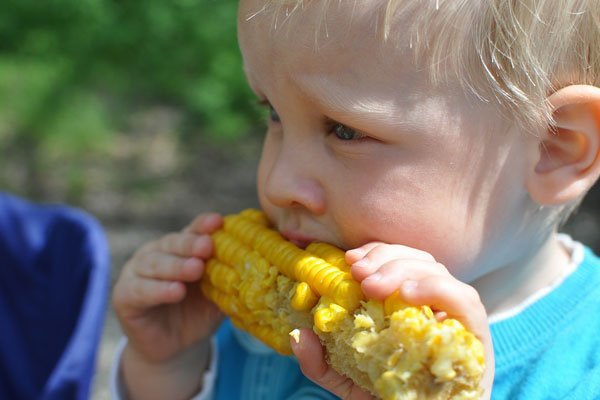
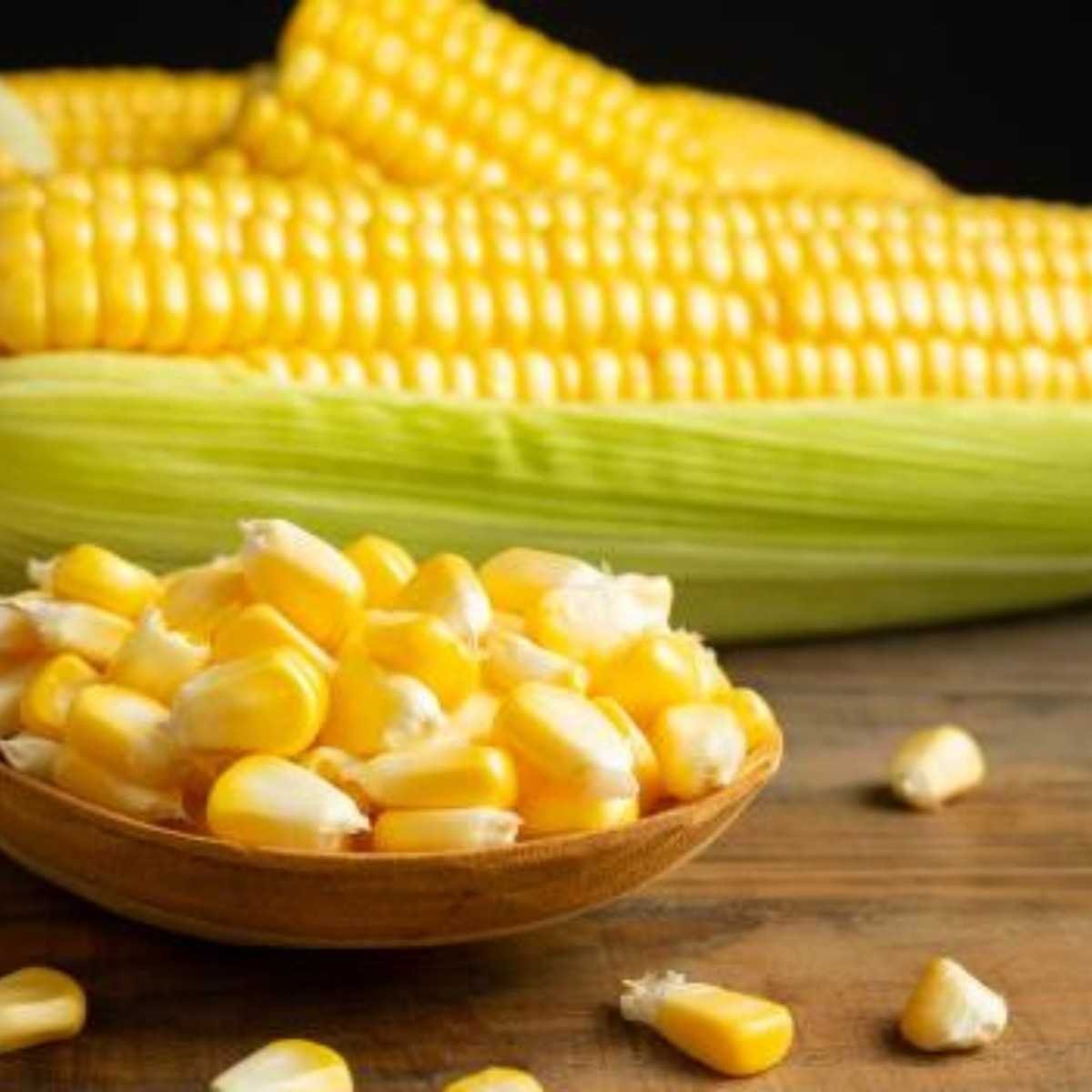
Corn has been a part of Mexico's life for centuries. Just remember that the Popol Vuh mentions that we are made from corn dough. With over 4,500 years as we know it, and 5,500 years still not domesticated (Vela, 2013), it is an integral part of our worldview, agriculture, and cuisine.
According to Vargas (2007), it is considered within the classification of food from an anthropological perspective as a "basic food" because it is part of our mythology. In agriculture, it has generated mutual domestication: plant-human and human-plant. It has adapted to various climates and geographical situations, we use all its parts, it is part of dishes and beverages, and, above all, it is a food that is consumed daily.
As mentioned above, it is a food that has never been absent from the lives of Mexicans. However, it is important to note that it is not just corn, as in other places, but our corn must undergo an equally ancestral process called "nixtamalization." Nixtamalization occurs when, once the corn is dehulled, it is left to soak in hot water with lime for several hours, causing a chemical process that enhances its nutritional value, providing calcium, iron, phosphorus, and niacin. Additionally, it aids in better digestion and the improved assimilation of proteins. Interestingly, the origin of this process is unknown, but it is believed to have originated in Mesoamerica, possibly with the use of Teocintle (the ancestor of corn).
There is another great benefit that the nixtamalization of corn provides to health, which is that it reduces the content of mycotoxins, primarily from the fungus Fusarium, which is associated with neural tube defects. (Mora, 2018)
Unfortunately, over the years, the bombardment of marketing has taken advantage of the current 'fast' lifestyle, and the food industry has designed alternatives for the manufacturing of both tortillas and all the derivatives of nixtamalized corn. The problem is precisely that these products are not truly nixtamalized, meaning that all the properties mentioned earlier are not found in these products. This includes tortilla shops that use flours that, despite claiming to be nixtamalized, did not go through a proper process, and unfortunately, we find them in every corner of our country.
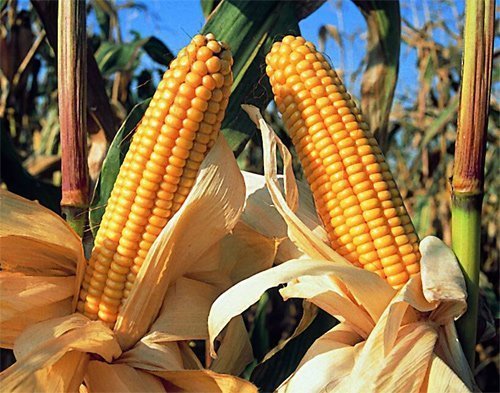
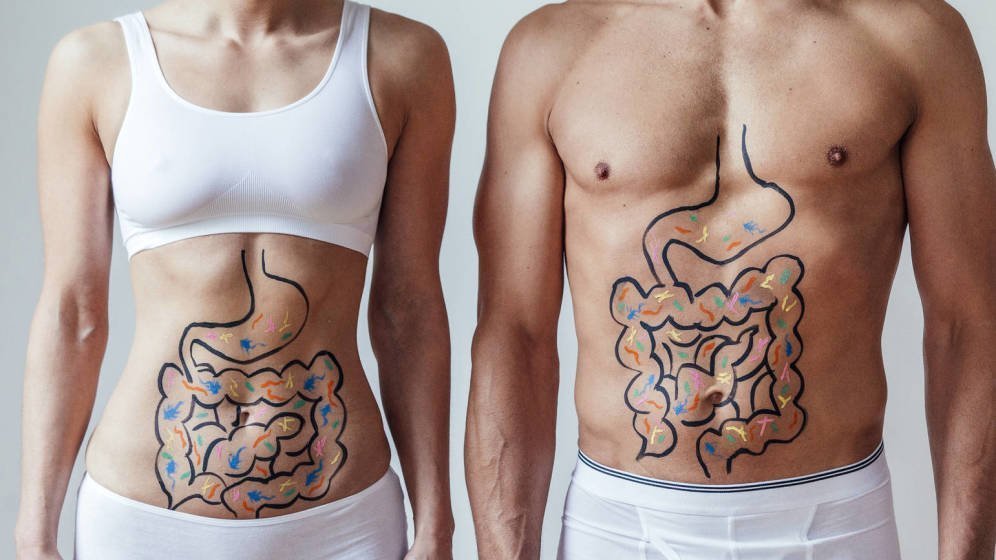
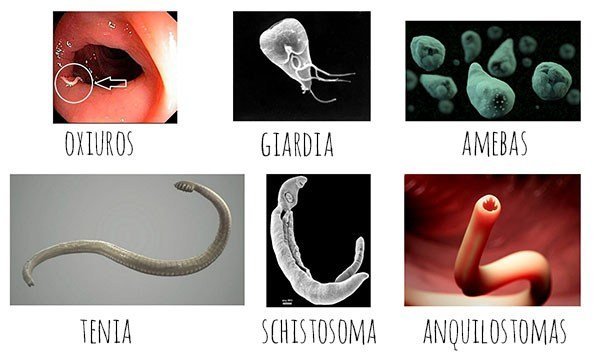
Additionally, we must add the problem of Genetically Modified Organisms (GMOs), which in theory are only authorized in Mexico for experimental planting and not for consumption. However, we will find them in products that include corn (either as the sole ingredient, such as corn flour, or as an additional ingredient in processed foods) because, unfortunately, more corn is imported from the United States than from Mexico. Just to mention a figure, in January 2020, it was estimated that the importation would increase from 16 to 18 million tons (La Jornada, 2020). The question so far would be: Why the harm of GMO corn? Well, Bt corn, so named because it has been genetically modified by inserting a gene from the bacterium Bacillus thuringiensis, causes the cells of the insects' intestines to burst, which is why it is used against insect pests. However, there are studies on the relationship between intestinal diseases in people living in areas where such crops exist, and various studies relate its consumption to other diseases. (Mora, 2018) (La izquierda diario, 2016). And so, we could extend this to include the damage to the environment and the ancestral culture of our farmers.
If we want to find an option for our health, we should turn again to our "marchantas" to buy nixtamalized tortillas, ask in the markets or at the tortilla shops if they nixtamalized the corn and where the corn is from. In addition to benefiting our health, we will be contributing to the care and preservation of this process, supporting local businesses, and benefiting the environment.
Bibliographic references
Debenedetti, S. (December 3, 2016). Eating Monsanto's Bt transgenic corn causes serious intestinal disease. La Izquierda Diario.
González, S. (January 21, 2020). Mexico will import a record amount of corn this year due to the drought. La Jornada.
Mora, M. (2018). Método de Equilibrio Intestinal para la Salud Integral MEISI. Mexico. Editorial 8 Puntos S.A. de C.V.
Vargas, L. A. (2007). El alimento básico en las cocinas de la humanidad. El caso de Mesoamérica. Revista de estudios lingüísticos, literarios, históricos y antropológicos, 39-53.
Vela, E. (2013). La domesticación del maíz. Arqueología Mexicana, 15.
Palma Ruiz Julieta