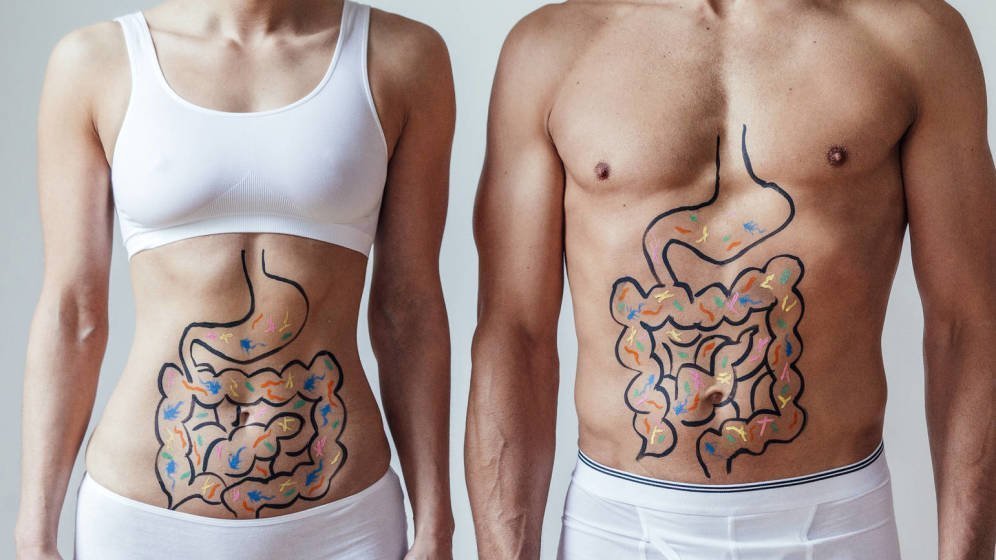

Nowadays, emotional disorders are one of the most common conditions. In this article, we present a list of emotional disorders and how they are related to diet.
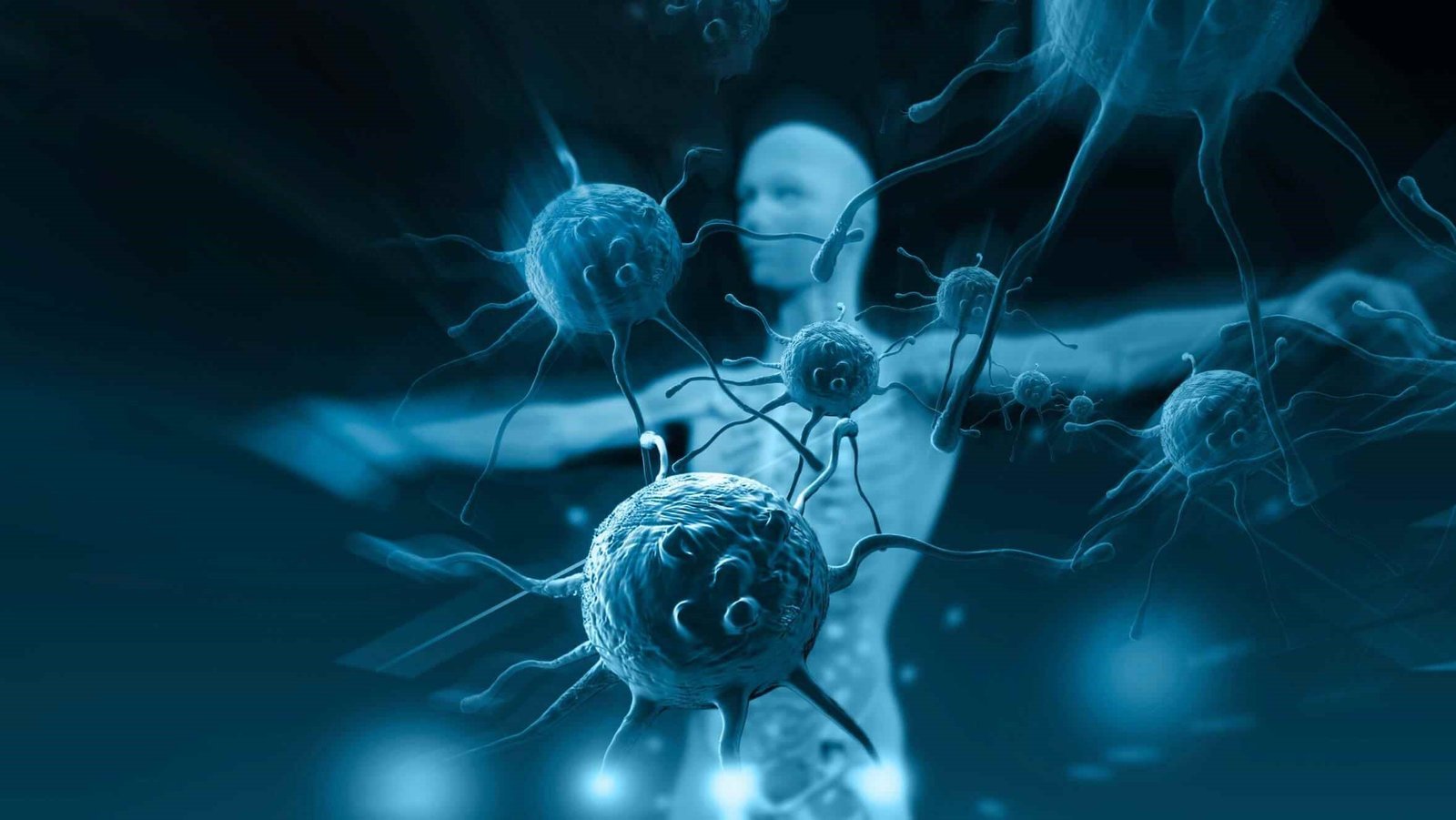
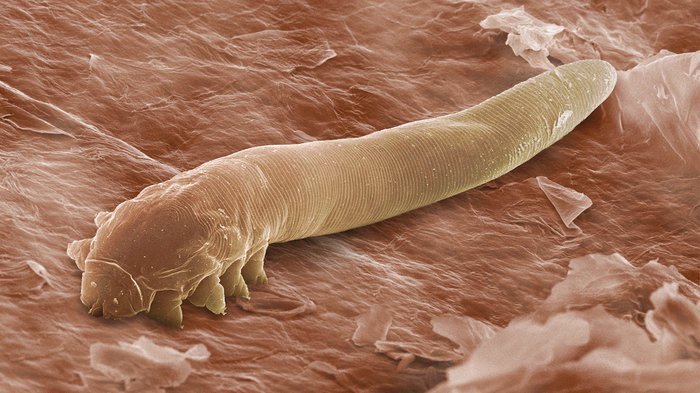
To begin, it should be clarified that emotions by themselves do not cause illness. There is a relationship between them, but it is mediated by parasites. When we experience an emotion, primarily negative, chemical changes occur in the body to react quickly, but at the same time, these changes create the perfect environment for the appearance and/or reproduction of parasites. These parasites would be the ones causing the illness. But the relationship doesn't end there.
The same parasites produce harmful substances for us. The body reacts to these substances, and once again, chemical changes occur in the organism. These chemical changes generate certain emotions, usually negative ones, which, as mentioned earlier, create the perfect environment for the life and reproduction of the parasites.
That is why it becomes a never-ending cycle. The more parasites proliferate, the greater the effects they cause. When this happens, all those parasites inhabiting us are generating toxins that foster certain emotions. Having a large number of parasites will cause us to sustain that emotion, turning it into our temperament. Additionally, our body becomes addicted to the toxins produced by the parasites and the emotions they provoke. This is why we experience feelings that drive us to act in ways that allow the survival and dominance of the parasites.
Among the emotional disorders and symptoms found to be related to parasites are: depression, anxiety, stress, emotional disorders, irritability, panic attacks, premenstrual syndrome, brain fog, memory loss, among others.
There are certain diseases that are related to specific parasites, and the effects they cause are already known. For example, Toxoplasma gondii, a parasite that reproduces in the intestines of cats, causes effects related to eliminating fear. When an infected mouse encounters cat urine, instead of fleeing from it, it is attracted to it; the mouse loses the neural connection that would help it survive. In humans, when contaminated, they become more impulsive and prone to driving at reckless speeds. There is also a link between Toxoplasma and schizophrenia. In both cases, there is a high production of dopamine, which is generated by the parasite and triggers the emotion.
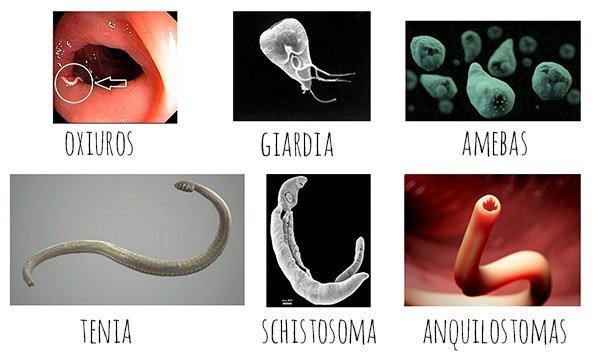
Once we understand the relationship between illness-parasite-emotion, it is important to find the necessary method to eliminate it. Even if the type of parasite causing the symptoms is not identified, in MEISI, viruses, bacteria, fungi, and visible parasites such as tapeworms, amoebas, etc., are all targeted. It is in this method where the connection between diet and emotional disorders is made. MEISI focuses on ensuring the individual is nourished while eliminating the foods that nourish the parasites. That is why diet is a crucial aspect in emotional disorders.
In the MEISI book, which is now available for purchase, you will find more information about parasites and their interaction with emotions and health.
In the Transformative Cooking recipe book, you can find a practical guide to carry out MEISI with delicious and easy Mexican recipes.

Curso-intensivo-MEISI-24-25-mayo-hotel-Marriott-Puebla-medicina-alternativa-curso-de-nutrición-alimentación-orgánica-cocina-saludable-tratamiento-TDA-autismo-niños-hiperactivos