
Autism spectrum disorder is considered one of the most talked-about conditions in recent years. According to experts in allopathic medicine, the origin of this condition is of "unknown" cause, and within this same philosophy, medications are prescribed to calm the altered state, without addressing the true cause.
El trastorno del espectro autista es considerado uno de los padecimientos más sonados en los últimos años, según los expertos en medicina alópata, el origen de este padecimiento es de causa “desconocida” y en esa misma filosofía se recetan medicamentos para calmar el estado de alteración más no atendiendo la verdadera causa.
Its main area of impact is focused on children, regardless of socioeconomic status, race, or ethnicity. It is a mental disorder, which means that cognitive and affective functions become unbalanced, leading to behaviors that are either inappropriate or uncommon. Some of the notable behaviors include: difficulty in relating to others (family and friends), repeating actions over and over again (in an annoying way), losing previously acquired skills (reduced motor abilities), losing touch with reality (inhibited senses), among other characteristics.
There is no concrete evidence that can definitively confirm the presence of the disorder, but one of the evaluations to consider—often overlooked in many cases—is the eating habits and their relationship with the gut flora. Nutrition plays a significant role in such conditions. It is known that eating is a basic human need for survival; however, there is a fine line between eating and truly nourishing the body. Children with this disorder often exhibit particular eating behaviors, where their diet is deficient in essential nutrients, preventing optimal development across various bodily functions. They tend to rely on foods that aren't very beneficial to the body, such as cereals, sugars, and dairy, essentially basing their diet primarily on these three food groups.
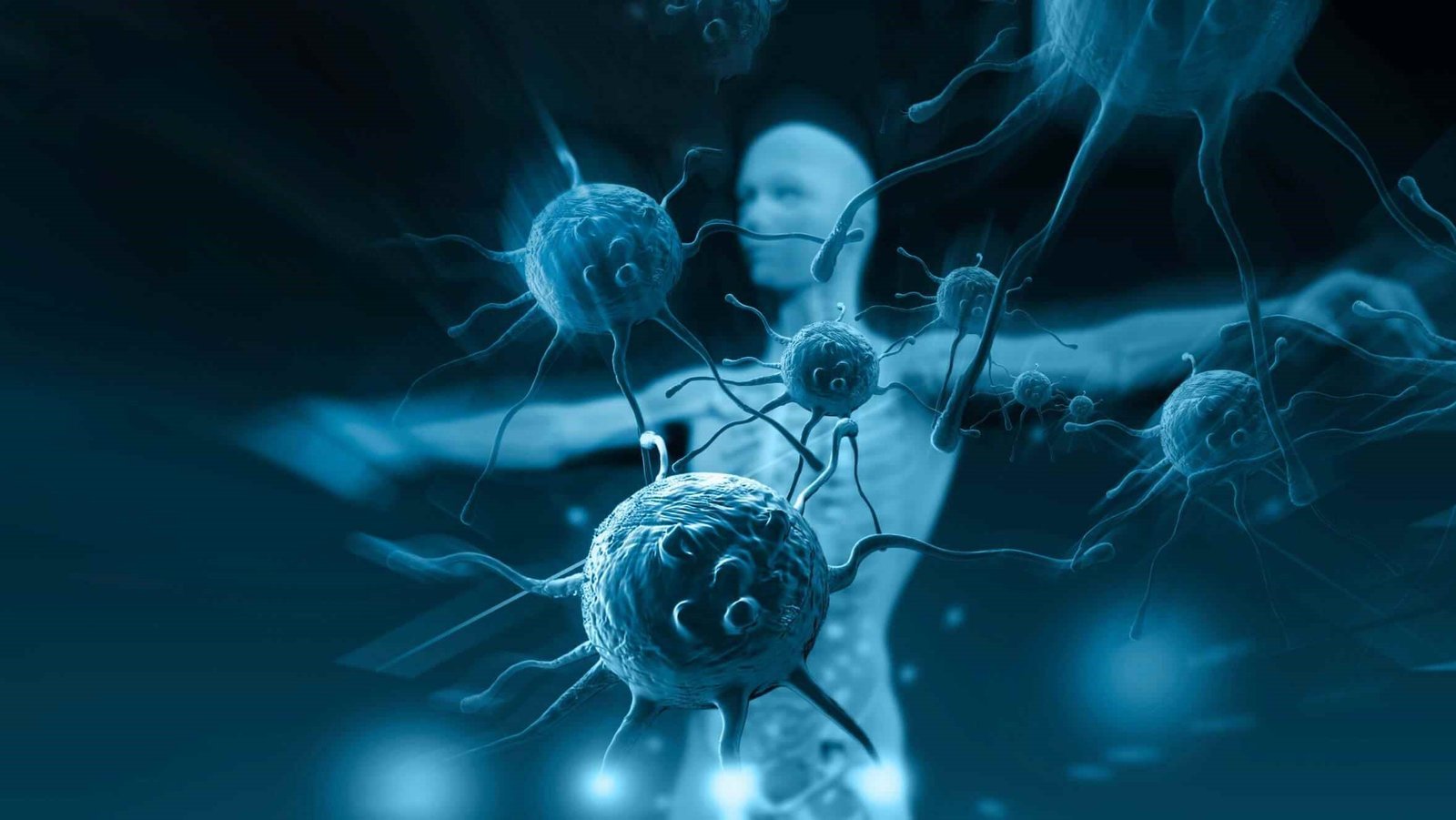
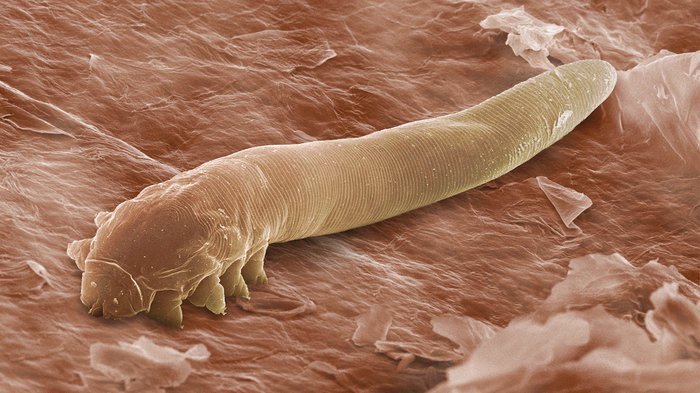
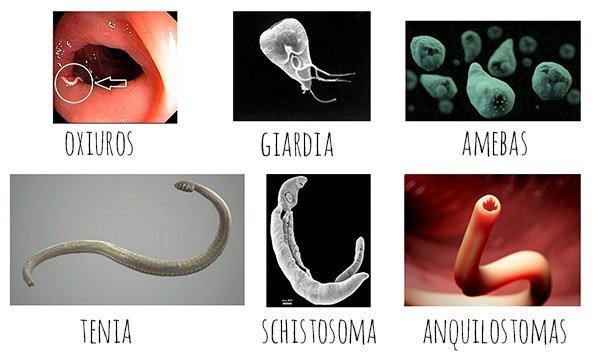
On the other hand, gut flora is a community of microorganisms (bacteria, fungi, and parasites) both good and bad, and it requires balance for the proper functions that occur here, such as digestion, nutrient absorption, vitamin formation, and the generation of electricity that reaches the brain (via the vagus nerve). Imbalance occurs when an inadequate diet is followed, based on the previously mentioned foods, which result in an acidic pH and create a favorable environment for the proliferation of harmful microorganisms. Mainly, fungi and parasites are responsible for various disturbances in the body. These pathogens have their own metabolic system, as they release toxic substances that can easily reach neural connections, and that is what truly interferes with the perception of affected children.
In conclusion, autism does have a cause, and by eliminating it, the symptoms can be considerably reversed. In the MEISI book, which is now on sale, you will find in the chapter "Autism Spectrum Disorder" detailed information about the condition, the ideal approach to address this disorder, and the necessary protocols to restore the essential functions of the intestinal flora.
It is a process in which the investment of time and patience are crucial, all with the goal of improving the health of children and having a positive impact on a better future for their development.
In the MEISI book, you can find the research that supports this methodology, and in the Transformative Cooking Recipe Book, a practical guide to implement it.